Victoria O'Keefe Soccer Club |
Victoria O'Keefe Soccer Club |
Victoria O'Keefe Soccer Club |
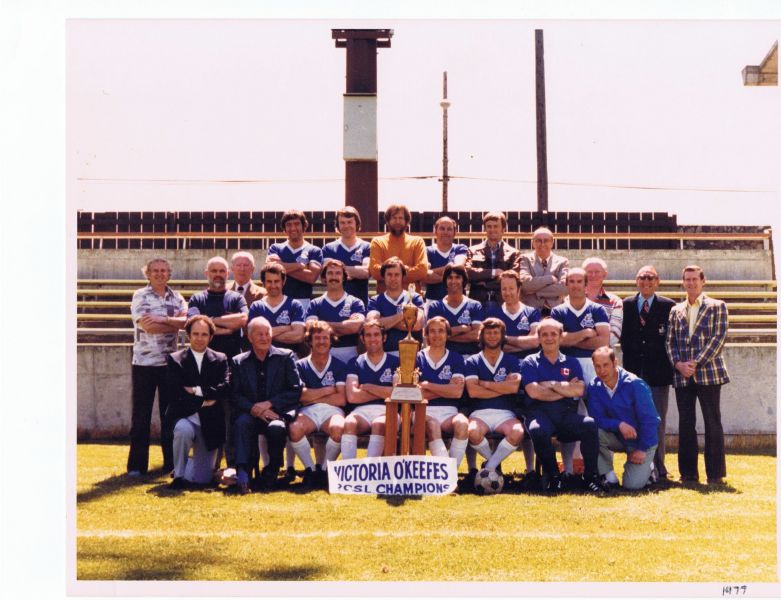
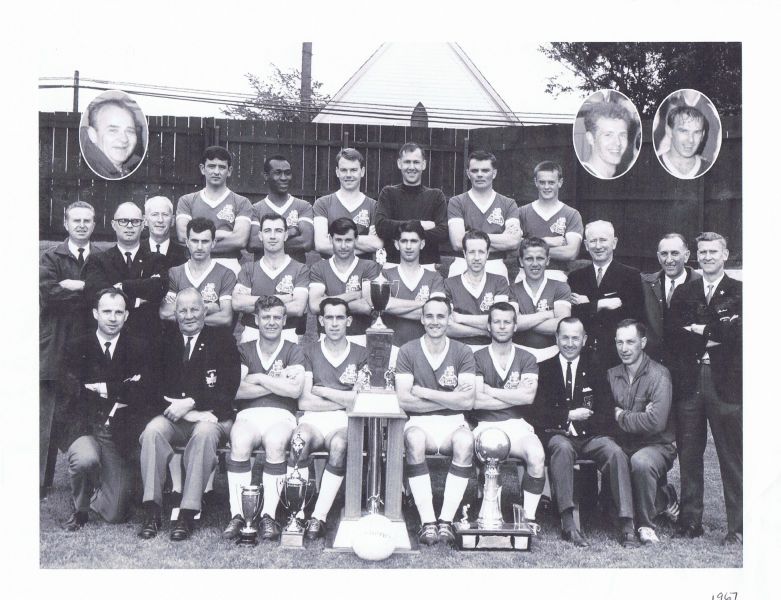
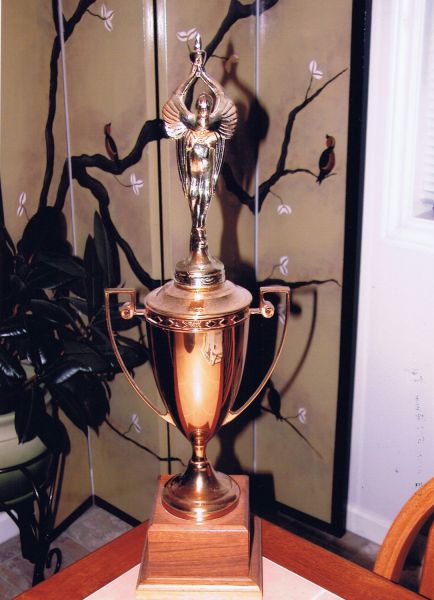
The 1967 John F. Kennedy Cup soccer champion Victoria O'Keefes celebrated the 50th anniversary of their title in 2017.
The old Pacific Coast Soccer League (PCSL) was the top level of the sport in the province and the local team was known as Victoria United before the O'Keefes beer sponsorship. The Kennedy Cup, inaugurated by the late U.S. president in 1961 as part of his physical fitness initiative, was contested between the champions of the PCSL and the amateur champions of Washington, Oregon, California and Mexico. It was the only sports Cup named after JFK.
To make it to the tournament was no easy path, yet the O'Keefes won it with aplomb in 1967.
“With the likes of Vancouver Columbus and Firefighters, every week in the Pacific Coast League was tough competition,” recalled Coach Frank Grealy of the process just to get to the Kennedy Cup tournament. The O'Keefes proved to be the pick of the bunch in Canada's Centennnial year as they won 19 of 21 games in the 1966-67 PCSL season. “These were intelligent, smart players. I always believed in attacking soccer, and sometimes I enjoyed so much what I was watching with this group that I forgot I was coaching,” said Grealy.
The PCSL hosted the Kennedy Cup tournament that year at Empire Stadium in Vancouver, so needless to say, Lower Mainland soccer officials were dismayed by the lost marketing opportunities due to having an Island team as the host PCSL-Champion club.
“Oh, Oh, Wrong Team,” read a headline in a Vancouver Sun story on May, 8, 1967, by legendary sports columnist Jim Kearney. He was from Victoria, and no doubt reveled in the Lower Mainland organizers’ discomfort about who the host club turned out to be.
“It just clicked for us that year... it was a true team effort,” said O'Keefes goalkeeper Barry Sadler, who recorded 10 shutouts that season. Victoria beat Los Angeles FC 3-1 in the Kennedy Cup semifinals and then shocked the Mexico representative, which was a national select side, 2-1 in the Cup final before more than 6,000 fans.
B.C. soccer legend Dave Stothard, a member of the Canadian Soccer Hall of Fame, credits Grealy’s punishing training schedule and notes that’s why the O'Keefes didn’t fade late in games. “We went at it hard, even in the last 20 minutes,” said Grealy.
The veteran captain, Stothard, had played in Canada’s first-ever World Cup qualifying campaign for Sweden 1958. The 18-year-old rookie, Ike MacKay, would go on to play pro in the NASL and for Canada in World Cup qualifying for Germany 1974 and Argentina 1978. The goalkeeper, Sadler, commanded the crease for a generation of Island soccer teams. Peter Brett was from England and Jim Menzies, Tom Westwater and Ed Carson had come out from Scotland and commuted from jobs in Port Alberni to play.
All in all, this was a true team effort.
SPONSORED BY VANCOUVER ISLAND SOCCER LEAGUE
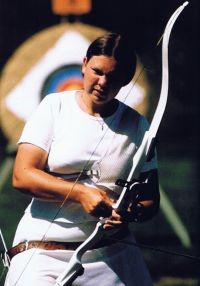
Wanda Allan Parsons |
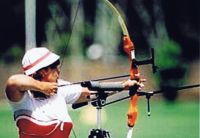
Wanda Allan Parsons |
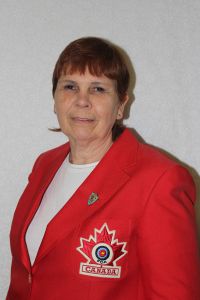
Wanda Allan Parsons |
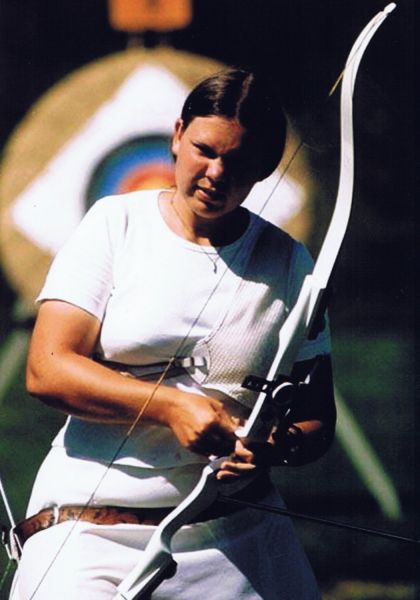
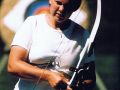
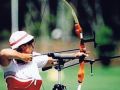
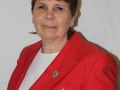
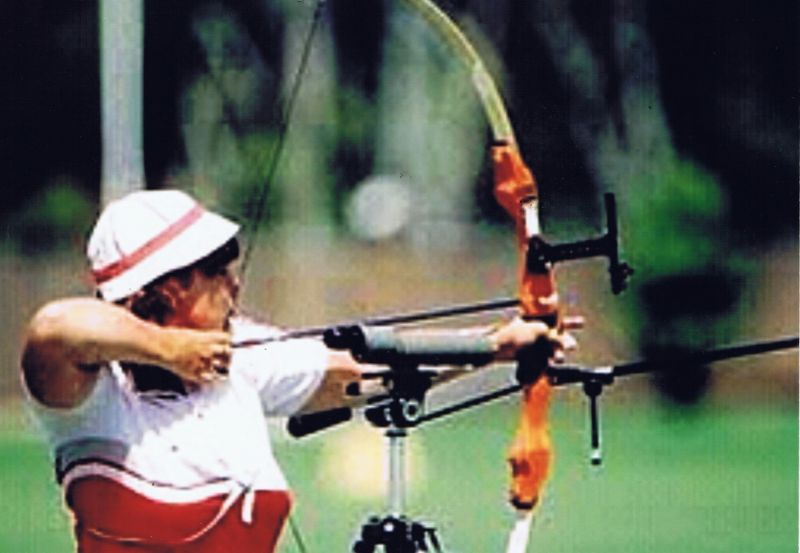
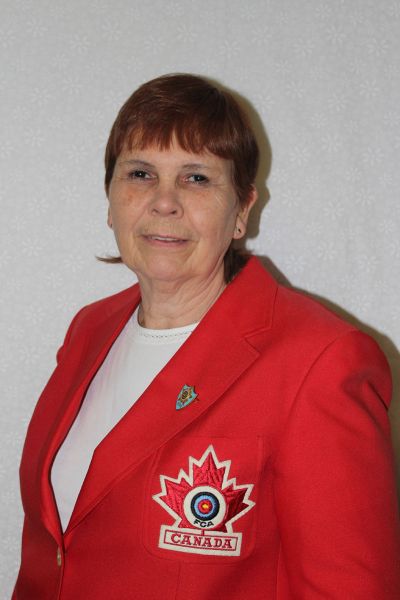
If her brother, Glenn, had never found an old wooden bow in a ditch, Wanda Allan Parsons would never have found the success she had in the sport of archery. The old Woolco is where they bought the families’ first wooden arrows and she and her brothers practised hitting targets in their back field.
Her brother learned of an archery club called the Seaview Archers and joined the club. The young Wanda yearned to compete as she watched her brothers come back from tournaments with their new fiber glass bows and arrows. When she was 10 years old, she asked if she could shoot and received a new bow with four arrows on her 11th birthday.
“I then started going with my two brothers to club night shooting”, says Wanda. “I was the only kid in the club and I had such great fun with the adults always teasing me.”
Her competitive spirit soon formed and, as she was the only junior, she started to shoot with the bare bow ladies. At the age of 13, she competed against the adults in the Vancouver Island outdoor championships and won. Her first Canadian Championships was in 1969 where she had to compete with the boys as she was the only girl.
“I was told in order to win the trophy I would have to come within 60% of the record,” she says. She did that and more as she set all new records for bare bow girls. She went on to win the next three junior girls titles - the first two at bare bow and then freestyle.
Wanda’s first national team trial was for the 1972 Munich Olympics where she placed fourth; they only took the top three. In 1973, she competed at the trials for the World Championships in France where she placed second and made the team. She was selected to two other World Championships teams, 1975 Switzerland and 1977 Australia, and was selected for two Olympic Games - Montreal in 1976 and Los Angeles in 1984.
“At the Montreal Olympics Opening Ceremony we were all in awe of the crowd and the cheering of the people in the stands,” she continues. “All I can say is the noise was so loud it was unbelievable. The Queen was in the stands somewhere but I didn’t see her until later. I was so busy looking at everything.”
At the 1976 Olympics she met Nadia Comaneci, who scored the perfect 10 in gymnastics, and at the L.A. Olympics she watched Canadian swimmers Victor Davis and Alex Baumann win their gold medals.
Wanda credits her success to her oldest brother, Cliff, who bought her equipment, drove her across the country for tournaments and was actually her very first coach. “My archery career took me across Canada and the United States many times and to many different countries. I also met many great and wonderful people, something I will never forget.”